
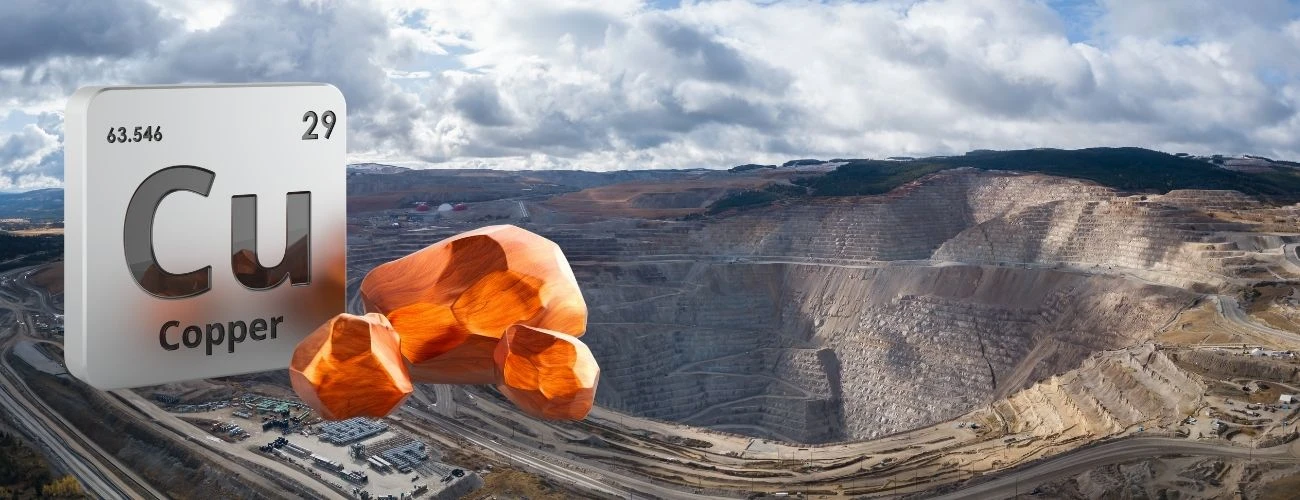
Copper Market Overview: From Ore to Refined Metal in the Global Supply Chain
Copper remains one of the most essential industrial metals in the global economy, widely used across construction, energy, electronics, and infrastructure. From copper ore extraction to refined products such as copper cathode and copper wire rod, the copper value chain plays a critical role in modern industrial systems.
The growing demand for electrification, renewable energy, and advanced technologies continues to reshape the global copper market, driving interest across all stages from mining to processing and recycling.
Copper Ore: Types, Sources, and Extraction
Copper begins its lifecycle as raw copper ore, extracted from mining operations worldwide. There are different types of copper ore, including:
- Copper sulfide ore (such as chalcopyrite copper ore)
- Copper oxide ore (including malachite ore of copper and azurite copper ore)
- Mixed deposits such as iron oxide copper gold ore and copper cobalt ore
The copper extraction process varies depending on ore type. While sulfide ores typically undergo flotation and smelting, oxide ores are processed through leaching and solvent extraction.
The availability and quality of copper mineral ore directly impact global supply and pricing, with factors such as grade, location, and processing cost influencing the copper ore price per ton and overall market value.
Copper Concentrates: The Core of Industrial Supply
After extraction and processing, ore is upgraded into copper concentrates, which contain higher copper content and are ready for smelting and refining.
The copper concentrates price depends on metal content, impurities, and global demand. As one of the most actively traded intermediate products, concentrates form a key link in the copper supply chain.
Explore copper concentrate supply and specifications
Refined Copper: Cathode, Blister, and Industrial Applications
Refined copper products include:
- Copper cathode (high-purity copper used in manufacturing)
- Blister copper (intermediate product in refining)
- Downstream products such as copper wire rod
The copper cathode market is particularly important, as it serves as the benchmark for industrial consumption. Pricing metrics such as the copper cathode price per ton and LME-linked benchmarks are widely used in global trade.
Applications include:
- Electrical systems and wiring
- Renewable energy infrastructure
- Automotive and EV manufacturing
- Industrial equipment and machinery
Copper Scrap and Recycling Market
In addition to primary production, the copper scrap market plays a vital role in supply. Recycling copper reduces environmental impact and supports circular economy practices.
Market participants actively trade:
- Copper scrap for sale
- Recycled copper materials
- Secondary copper supply
The demand for copper scrap suppliers and exporters continues to grow as industries seek cost-efficient and sustainable alternatives to primary mining.
Global Copper Supply, Trade, and Pricing
The global copper supply chain includes a wide network of:
- Copper ore suppliers and exporters
- Copper concentrate suppliers
- Copper cathode manufacturers and traders
- Copper trading companies and importers
Pricing across the market is influenced by:
- Copper ore price today and international benchmarks
- Copper concentrate price per tonne today
- Global supply-demand balance
- Geopolitical and logistical factors
Explore copper supply and market listings
Market Outlook and Investment Opportunities
The long-term outlook for copper remains strong due to:
- Growth in renewable energy and electrification
- Expansion of EV supply chains
- Increasing demand for infrastructure and data centers
These trends create significant mining investment opportunities and strengthen the importance of efficient sourcing and global trade networks.
Explore global metallic materials and supply opportunities
Conclusion
From copper ore mining to refined products such as cathode and recycled materials, copper remains a cornerstone of global industry. As demand continues to rise and supply challenges persist, the importance of structured sourcing, efficient trade, and reliable supply chains will only increase.







.j_s_thumb.webp)