

Global commodity markets have been shaped this year by two contrasting trends: a record-setting rally in gold prices and persistent weakness in crude oil. According to a recent outlook from Goldman Sachs, both trends are expected to extend into 2026.
In a note dated December 18, analysts including Daan Struyven and Samantha Dart outlined the bank’s key commodity views, forecasting that gold is likely to reach new record highs next year, while oil markets will remain under pressure due to surplus supply. Goldman Sachs’ base-case scenario projects gold prices rising to approximately $4,900 per ounce, with upside risks still firmly in place.
While commodities as a whole are on track for modest gains this year, overall performance masks significant divergence among major raw materials. Gold has benefited from strong central bank purchases, interest rate cuts by the US Federal Reserve, and increasing inflows into exchange-traded funds (ETFs). In contrast, crude oil prices have been weighed down by widespread concerns over a growing global supply glut.
According to Goldman Sachs, declining US interest rates have pushed ETF investors into direct competition with central banks for limited physical bullion. The analysts note that the same two structural drivers — elevated central bank demand and cyclical support from Federal Reserve rate cuts — are expected to continue lifting gold prices through 2026.
Oil, however, faces clear downside risks. Goldman Sachs warns that, absent major supply disruptions or significant production cuts by OPEC, lower oil prices in 2026 will likely be necessary to rebalance the market. The anticipated surplus is also expected to accelerate the buildup of commercial oil inventories across OECD countries.
Under this outlook, Brent crude is forecast to average around $56 per barrel in 2026, while West Texas Intermediate (WTI) is expected to average approximately $52 per barrel. These projections come despite ongoing geopolitical tensions, including concerns over potential supply disruptions in Venezuela.
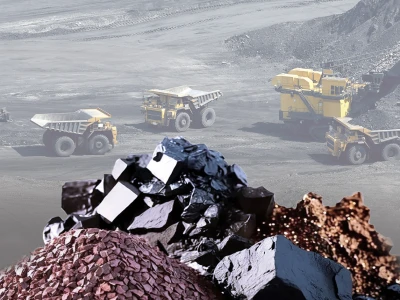
Beyond gold and oil, Goldman Sachs also highlighted expectations for lower natural gas prices, driven by what it describes as the largest supply wave on record. The bank expects copper to outperform aluminum, while iron ore prices are likely to weaken amid expanding global mine production.
Overall, Goldman Sachs’ outlook suggests that 2026 could mark a defining period for commodity markets — reinforcing gold’s role as a safe-haven asset, while oil and other raw materials continue to face structural and supply-side challenges.







.j_s_thumb.webp)