
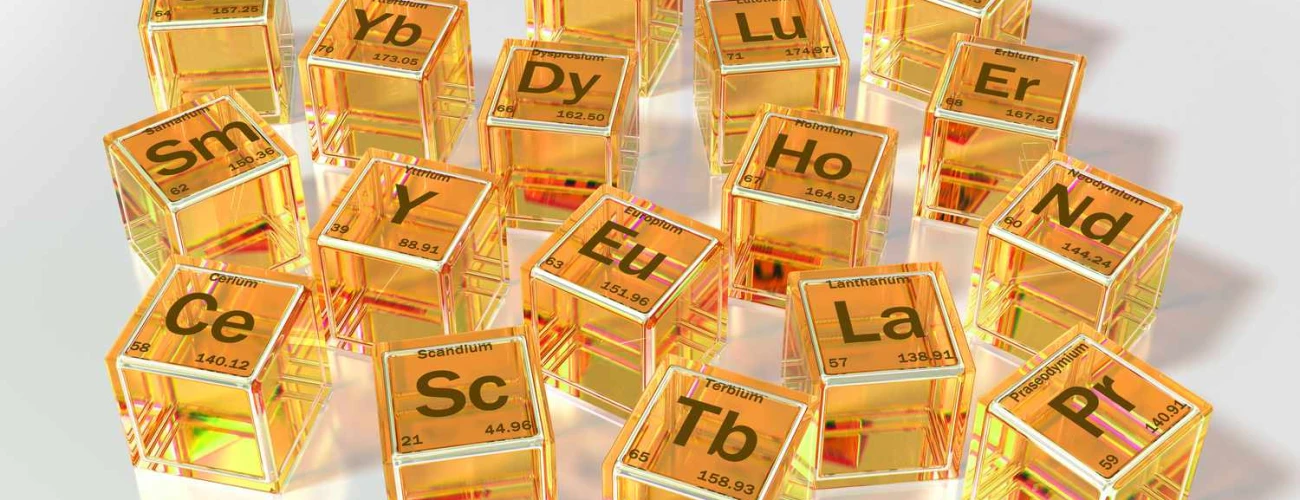
Japan is taking a significant step toward securing its supply of critical minerals by launching a groundbreaking test to extract rare-earth-rich mud from the deep seabed. The project represents the world’s first attempt to continuously lift mineral-bearing material from depths of around 6,000 meters and highlights Japan’s strategic efforts to reduce reliance on China-dominated rare earth supply chains.
Month-Long Test Near Minamitorishima
The month-long trial will run from January 11 to February 14 in waters near the remote Minamitorishima Island, located approximately 1,900 kilometers southeast of Tokyo. The operation is being led by the Japan Agency for Marine-Earth Science and Technology (JAMSTEC).
The primary objective is to connect and operate a full deep-sea mining system and verify its ability to raise 350 metric tonnes of mud per day from the ocean floor. Environmental impacts will be closely monitored both onboard the vessel and on the seabed, reflecting growing scrutiny over the ecological risks of deep-sea mining.
Rare Earths and Strategic Supply Security
Rare earth elements are essential for a wide range of advanced technologies, including electric vehicles, wind turbines, high-performance magnets, electronics, and defense systems. With China controlling the majority of global rare earth production and recently tightening export controls, Japan and its Western allies are increasingly focused on securing alternative and stable sources.
“One of our missions is to build a supply chain for domestically produced rare earths to ensure a stable supply of minerals essential to industry,” said Shoichi Ishii, a program director at Japan’s Strategic Innovation Promotion Program.
Next Steps Toward Commercial Viability
Although no commercial production target has been set, a successful test would pave the way for a full-scale demonstration by February 2027, aiming to recover the same daily volume of seabed mud.
Since the extracted mud cannot be processed at sea, it will be transported to Minamitorishima Island. There, seawater will be removed using equipment similar to a washing machine’s spin dryer, reducing the volume by approximately 80%. The concentrated material will then be shipped to mainland Japan for separation and refining.
Investment and Geopolitical Tensions
The government-funded project has already consumed about 40 billion yen (approximately $256 million) since 2018, though estimated rare earth reserves in the area have not been publicly disclosed.
The initiative also carries geopolitical implications. Ishii confirmed that a Chinese naval fleet entered waters near Minamitorishima in June, while a Japanese research vessel was conducting seabed surveys within Japan’s exclusive economic zone.
“We feel a strong sense of crisis that such intimidating actions were taken,” Ishii stated, underscoring the broader strategic sensitivities surrounding seabed resources.
Conclusion
Japan’s deep-sea rare earth mining test could mark a turning point for both marine mining technology and global critical mineral supply chains. If successful, the project may help diversify rare earth sourcing, reduce geopolitical risks, and set new technical and regulatory benchmarks for deep-sea mining—an industry likely to play an increasingly important role in the global energy transition.





.j_s_thumb.webp)