
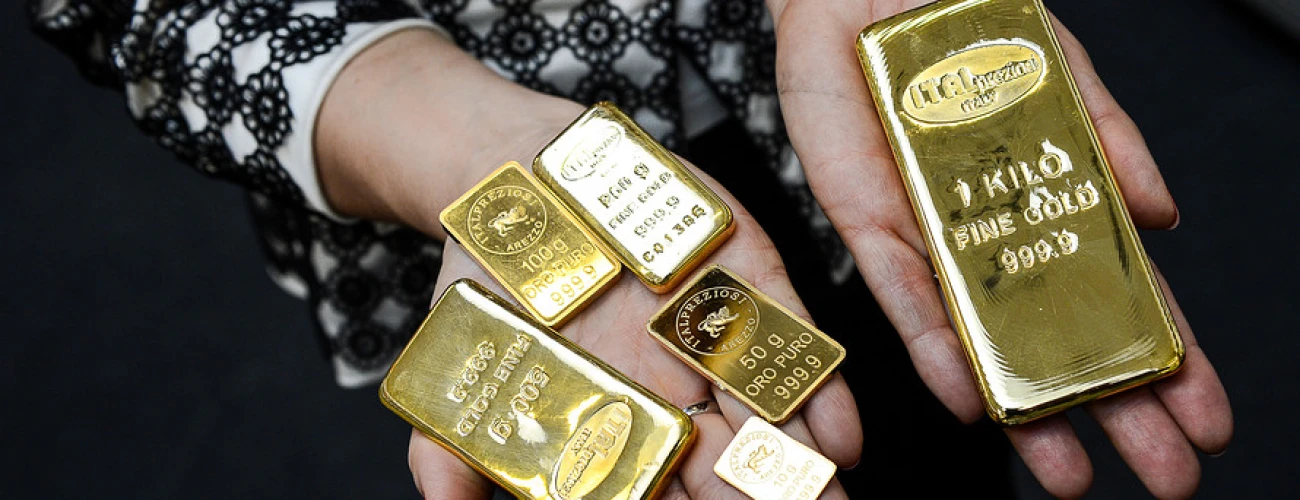
The global precious metals market is witnessing one of the strongest rallies in its history as the year draws to a close. Gold prices have surged toward the $4,500 per ounce level, while silver has crossed the $70 mark for the first time ever. This remarkable performance comes amid heightened geopolitical uncertainty, shifting US monetary policy expectations, and persistent supply-side pressures, all of which are reinforcing demand for safe-haven assets.
New All-Time Highs for Gold and Silver
In the latest trading sessions, spot gold climbed by around 1.2%, reaching a new all-time high just below $4,500 per ounce. The move extended gains from gold’s strongest single-day rally in more than a month, signaling sustained bullish momentum in the market.
Silver outperformed gold, rising by approximately 1.8% and trading above $70 per ounce for the first time in history. The milestone highlights silver’s increasing appeal among investors and underlines the strength of the current precious metals rally.
Gold on Track for Its Best Performance Since 1979
With the latest record, gold has gained more than 70% so far this year, putting it on track for its best annual performance since 1979. Analysts attribute this extraordinary rise to several structural and macroeconomic factors, including:
- Strong and sustained purchases by central banks
- Significant inflows into gold-backed exchange-traded funds (ETFs)
- Rising concerns over global economic and financial stability
These factors have not only supported current price levels but have also strengthened expectations for continued upside momentum into the coming year.
Geopolitical Risks and US Policy Fuel Safe-Haven Demand
Escalating geopolitical tensions, particularly in Latin America, have played a key role in boosting demand for precious metals. Increased pressure by the United States on Venezuela, including the seizure and blockade of oil tankers, has heightened market anxiety and reinforced gold and silver’s role as effective hedging instruments.
According to Ahmad Assiri, strategist at Pepperstone Group:
“Geopolitical frictions have re-entered the narrative. While these developments have not triggered a full risk-off move, they undeniably add to background demand for gold as a must-have hedge.”
Federal Reserve Rate-Cut Expectations and the 2026 Outlook
Another major driver behind the rally is the market’s growing expectation of further US Federal Reserve interest rate cuts in the coming year. Lower interest rates tend to favor non-yielding assets such as gold and silver by reducing the opportunity cost of holding them.
Major financial institutions remain optimistic about gold’s outlook. Goldman Sachs, for example, forecasts a base-case gold price of $4,900 per ounce in 2026, while emphasizing that risks remain skewed to the upside.
Why Silver’s Rally Has Been Even Stronger
While gold’s performance has been impressive, silver has delivered an even more spectacular rally, with prices up by approximately 140% this year. This surge has been driven by a combination of:
- Strong speculative and investment inflows
- Persistent supply disruptions across key global trading hubs
- Aftershocks from a historic short squeeze in October
Although London vaults have seen notable inflows since then, a large portion of the world’s available silver remains concentrated in New York. Traders are closely monitoring the outcome of a US Commerce Department investigation into critical minerals imports, which could potentially lead to new tariffs or trade restrictions on silver, further tightening supply conditions.
Market Outlook and Strategic Implications
The current rally in precious metals is not merely a short-term or technical phenomenon. It reflects deep-rooted structural and macroeconomic drivers, including accommodative monetary expectations, geopolitical instability, central bank accumulation, and constrained supply dynamics.
If these conditions persist, gold and silver are likely to maintain their strategic role as core safe-haven assets within global investment portfolios. This trend carries significant implications for mining companies, commodity traders, and B2B market participants involved in bullion, concentrates, and long-term supply contracts.






.j_s_thumb.webp)